
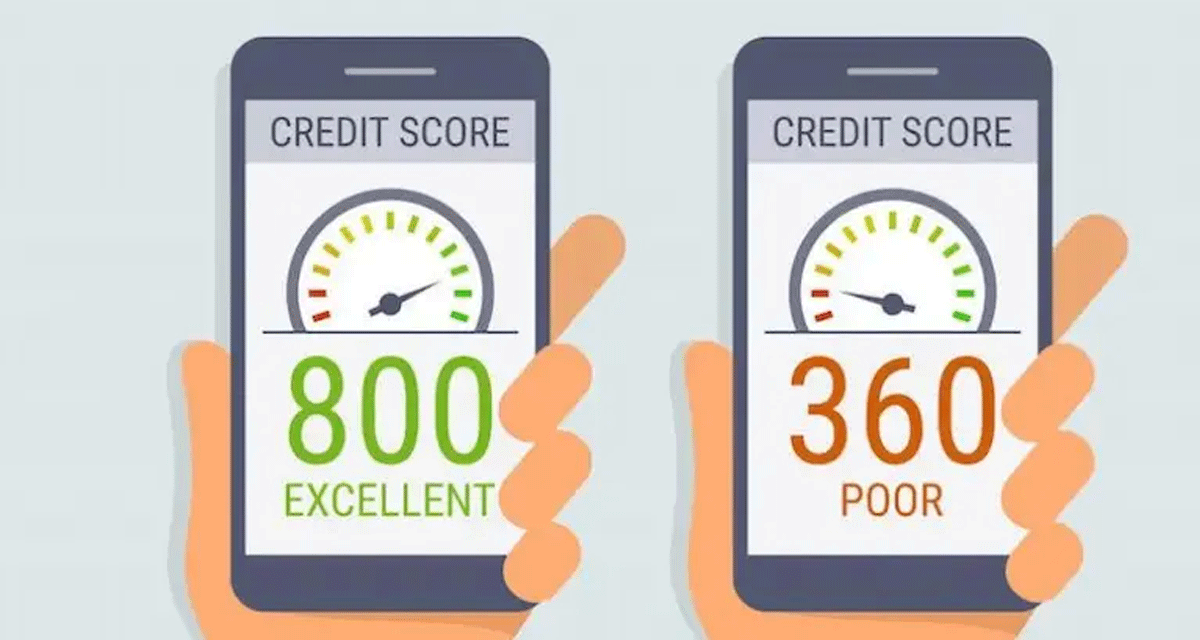
Accessing suitable credit can be more challenging if you have a poor credit history, particularly compared to borrowers with stronger credit profiles. When unexpected expenses arise, you may be looking for access to funds while wanting to understand how a loan could affect your long-term finances.
While your credit score influences the loan options available to you, it does not fully define what you can access. The best loans for bad credit often rely on broader financial checks, such as reviewing your income and regular outgoings, to assess affordability. This helps you determine whether repayments are affordable based on your current financial situation.
Different loan offers can appear similar at first glance, making the comparison process unclear. However, slight differences in repayment amounts and schedules can shape how the loan affects your day-to-day finances.
Taking the time to compare these details helps you move forward with greater confidence. It allows you to choose an option that aligns with your budget and avoids unnecessary financial pressure.
In this article, we’ll share 4 tips to help you compare loan offers and find the right option when your credit score is low.
Look Beyond Approval
It can be tempting to accept the first loan offer that seems accessible when your credit score is low, especially after facing rejections in the past. However, approval alone doesn’t always mean the loan will suit your unique financial situation.
Even with a low credit score, you may still be eligible for specific loan options, depending on the lender’s criteria and your affordability. Each offer can vary in how repayments are structured and how much pressure they place on your monthly budget. It is essential to review these differences beforehand and not rush to the first lender that approves your loan.
Ensure that the loan you’re signing up for fits comfortably within your income. This allows you to manage repayments without cutting back on essential expenses and approach repayments more confidently.
It also helps to think about your immediate financial needs rather than the maximum amount offered. Borrowing only what you need can make the loan easier to manage and reduce stress during repayment.
Review How Lenders Determine Your Creditworthiness
Lenders do not all assess applications in the same way. Some place more weight on your credit history, while others look closely at your current income and regular spending. Understanding this difference can help you judge how suitable an offer may be for your situation.
Looking into how a lender reviews affordability before you apply for a loan with them gives you a better understanding of their repayment structure. For instance, an assessment that considers your current finances can lead to repayment amounts that feel more practical.
It is worth paying attention to the information a lender asks for during the application process. Requests for income details and spending patterns often signal a more balanced review of your ability to repay the loan.
Understanding these checks helps you compare offers more clearly and prioritise options that align with your current financial situation.
Assess Interest Rates & Repayment Amounts Together
Interest rates often receive the most attention when comparing loan offers. While they should be a significant consideration, they don’t show the full cost of borrowing on their own. Repayment amounts and schedules play equal roles in shaping how manageable a loan feels.
A lower interest rate may still result in higher repayments if the term is shorter. On the other hand, slightly higher rates spread over a more extended period can sometimes result in lower regular repayment amounts. Looking at both figures together is essential to gain a clearer understanding of what to expect.
Check how often you would have to make the repayments and how they will fit into your regular income cycle. Monthly repayments that align with your payday can support better planning and reduce pressure on your budget.
By comparing interest rates alongside repayment amounts, you can focus on offers that allow you to stay in control of your finances over time.
Understand the Long-Term Impact of Each Loan Option
The impact of loan repayments is often felt well beyond the initial expense, because the way your loan is structured can influence your ability to plan and manage your finances more effectively over time.
Consider how long the repayments will remain part of your monthly commitments. A longer timeline can affect future goals and reduce your budget’s flexibility, making it crucial to choose an option that feels sustainable.
Reviewing the long-term effects of a loan allows you to select one that fits into your broader financial goals and ensures you have a consistent income each month.
To Sum Up
Carefully comparing loan options can make the process less stressful and give you greater clarity about your choices. It helps you understand what works for your budget and what might strain your budget in the future.
If you have a low credit score and are struggling to choose the right option for your situation, we hope these tips help you feel more confident and in control as you consider your options.