
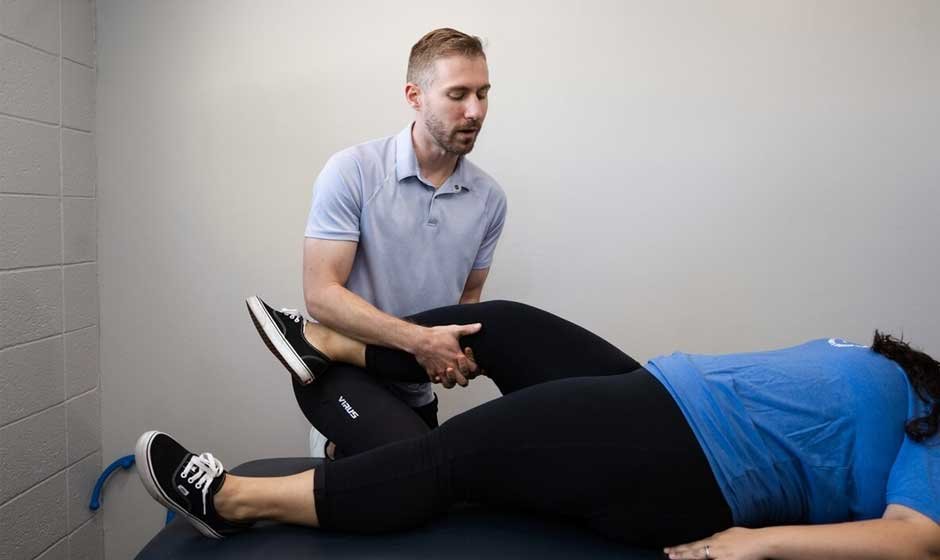
Starting physical therapy can be a transformative step toward recovery, whether you are dealing with a sports injury, post-surgical rehabilitation, or chronic pain. However, many people unintentionally hinder their progress before even beginning treatment due to common mistakes that could easily be avoided. Understanding these pitfalls can save time, reduce frustration, and ensure that you get the most out of your physical therapy sessions.
If you are looking for professional guidance, consider contacting Mountain Top pt early in your recovery process. Working with experienced physical therapists can make a significant difference in how quickly and effectively you regain strength and mobility.
Skipping a Proper Assessment
One of the biggest mistakes people make before starting physical therapy is skipping a proper assessment. Many patients assume they know the extent of their injury or condition, but without a thorough evaluation, therapists cannot create an effective treatment plan. A proper assessment includes reviewing your medical history, evaluating your range of motion, strength, balance, and functional limitations.
Avoiding this step can lead to ineffective exercises or even worsen your condition. To prevent this, schedule an initial consultation with a licensed physical therapist who can identify the root cause of your issues and tailor a plan specifically for your needs.
Ignoring Pain or Warning Signs
Pain is your body’s way of signaling that something isn’t right. Many people make the mistake of downplaying their pain or trying to “push through it” before starting therapy. Ignoring warning signs can exacerbate injuries, prolong recovery, and make therapy more difficult.
To avoid this, listen to your body and document your symptoms before your first session. Be honest with your therapist about the intensity, frequency, and type of pain you are experiencing. This information helps them develop a safe and effective program that addresses the underlying issue rather than just masking symptoms.
Relying Solely on Online Advice
With the abundance of online resources, it’s tempting to rely on general exercises or recovery tips found on the internet. However, self-diagnosis and unsupervised exercises can often do more harm than good. Every injury and recovery journey is unique, and what works for one person may not be suitable for another.
Avoid this mistake by consulting a professional who can guide you through individualized exercises, correct your form, and monitor your progress. Personalized therapy ensures that your recovery is both safe and efficient.
Waiting Too Long to Start Therapy
Procrastination is another common recovery mistake. Some people wait weeks or even months to start physical therapy, hoping that rest alone will heal their injury. While rest is important, delaying therapy can lead to muscle atrophy, joint stiffness, and slower overall recovery.
To prevent this, schedule your first session as soon as your doctor or healthcare provider clears you for therapy. Early intervention can accelerate healing, reduce complications, and help you return to your normal activities sooner.
Neglecting Mental Preparation
Recovery isn’t just physical; it’s mental as well. Many patients underestimate the psychological component of physical therapy, which can include frustration, fear of re-injury, or a lack of motivation. Neglecting mental preparation can decrease your commitment and hinder your progress.
Avoid this mistake by setting realistic expectations, preparing for gradual improvements, and staying patient with yourself. Consider mindfulness techniques or mental visualization exercises to build confidence and maintain focus during your rehabilitation journey.
Failing to Gather Necessary Information
Before starting therapy, failing to collect relevant medical records, imaging reports, or notes from previous healthcare visits can slow down your progress. Therapists need this information to fully understand your condition and design a comprehensive plan.
Make sure to gather all relevant documents and bring them to your first appointment. Providing your therapist with a complete picture of your health status ensures that your treatment is accurate and well-informed.
Not Asking Questions
It’s natural to feel nervous about starting physical therapy, but not asking questions is a mistake that can limit your understanding and engagement. Patients who don’t seek clarification may misunderstand exercises, underperform, or avoid necessary steps.
Avoid this by communicating openly with your therapist. Ask about the purpose of each exercise, expected outcomes, and how to continue progress at home. The more informed you are, the more empowered you’ll be in your recovery journey.
Conclusion
Starting physical therapy can be a turning point in your recovery, but avoiding common mistakes is essential to achieving the best results. Prioritize early assessment, communicate openly, and avoid relying solely on online advice. Pay attention to your body, gather all necessary information, and prepare mentally for the journey ahead.
By being proactive and informed, you can maximize your recovery and return to your daily activities stronger and more confident. Remember, seeking professional guidance from experienced physical therapists, such as those at Mountain Top pt, can make all the difference in ensuring a safe and effective rehabilitation process.